

What Are Decentralized Exchanges? The Motley Fool
Content
A utility NFT is an NFT that, unlike regular NFTs, offers the holder direct and intrinsic value by granting access to specific privileges. Coming up with a strategy to maximize returns from your trading activities while maintaining security, convenience and privacy is one of the considerations that has led to the creation of DEXs. Structured Query Language is a programming language used to interact with a database….
There are several DEX designs, each offering a different benefits and trade-offs in terms of feature-sets, scalability, and decentralization. The two most common types are order book DEXs and automated market makers . DEX aggregators, which parse through multiple DEXs on-chain to find the best price or lowest gas cost for the user’s desired transaction, are also a widely used category.
How do DEX fees work?
While opinions stated are honestly held, they are not guarantees, should not be relied on and are subject to change. The information or opinions provided should not be taken as specific advice on the merits of any investment decision. Past performance of the digital asset markets or markets cost to start a crypto exchange in their derivative instruments is not a viable indication of future performance with actual results possibly differing materially from those stated herein. We will not be responsible for any losses incurred by a client as a result of decisions made based on any information provided.
- You can develop a DEX just like any other decentralized application by using the following steps.
- DEX protocols can use Chainlink Price Feeds for reliable price conversions, accurate display prices on a frontend, or the secure calculation of staking rewards and fee distributions to stakeholders.
- That said, decentralized exchanges like Uniswap try to eliminate excessive dependence on external market makers to avoid transactions from being slow and expensive.
- A decentralized exchange lets crypto holders remain pseudonymous and keep control of their crypto wallet’s private key.
- Decentralized exchanges provide a decentralized platform that allows users to exchange assets without having to trust their funds with another entity.
- First, proponents have claimed that, because cryptocurrencies are distributed in users’ wallets and not stored in a hot wallet, DEXs are more resilient against large scale theft6 than centralized exchanges .
However, especially with infrequently traded cryptos, it can be difficult for investors to complete trades. Energi is a next-generation Proof-of-Stake cryptocurrency that combines smart contracts, decentralized governance, and a self-funding treasury. Energi was founded by Tommy World Power, who imagined a better, sustainable cryptocurrency that had the potential for mass adoption. The project has since grown to more than 60 team members and 225,000 community members, all working together to create a cryptocurrency for the future. The 0x protocol is, at its core, a set of secure smart contracts that facilitate the peer-to-peer exchange of Ethereum-based assets.
No KYC/AML or ID Verification
On the contrary, you would need wallets that support the smart contracts on the network of the exchange. Therefore, any individual with a smartphone and internet connection could make the most of the financial services presented by decentralized exchanges. Another DeFi protocol is Uniswap, which is a decentralized exchange set up to trade tokens issued on Ethereum. Rather than using a centralized exchange to fill orders, Uniswap pays users https://xcritical.com/ to form liquidity pools in exchange for a percentage of the fees collected from traders swapping tokens in and out of the liquidity pools. Because no centralized party runs Uniswap , and any development team can use the open-source software, there is no entity to check the identities of the people using the platform and meet KYC/AML regulations. It is not clear what position regulators will take on the legality of such platforms.
As of late 2021, Uniswap was charging a 0.05 percent transaction fee while centralized exchanges such as Coinbase, Binance, and Kraken were charging 0.2 percent, 0.1 percent, and 0.2 percent respectively. Those who pool funds are eligible to receive the fees generated from the swaps using this pool. CEX trading fees tend to be higher, although the exact amount can depend on the type of transaction, order value, and whether the trader is purchasing crypto with fiat currency. DEX trading fees are lower, but traders generally have to pay additional network fees , which can lead to higher overall costs. Unlike with order books, the price for each crypto isn’t based on current buy and sell orders.
Crypto exchange free setup
To address these issues, decentralized exchanges have grown in popularity in recent years. The information contained in this document should not be relied upon by investors or any other persons to make financial decisions. It is gathered from various sources and should not be construed as guidance. The views expressed in this document about the markets, market participants and/or digital assets accurately reflect the views of BCB Group.

This part is key for determining how the different layers – backend, front end and user interface – interact with each other. As per the client requirements, a Proof-of-Concept may be developed to test the viability of the idea and the design in a safe environment. DEXes may have supporting documents and community members who share advice, but investors are largely on their own.
Are Decentralized Exchanges Truly Decentralized?
Meanwhile, one can only purchase about 50 different types of cryptocurrencies on Coinbase or Binance.us. Cryptocurrency and its facilitators have always been surrounded by regulatory challenges. On top of that, decentralized exchanges have been a subject of debate for compliance. This is where centralized exchanges have an advantage over decentralized exchanges as they abide by the regulations and are compliant with the local regulatory bodies. Centralized exchanges maintain a KYC database as well as use software to make sure the trades are totally free of loopholes. With a DEX running an AMM protocol, investors don’t need to wait for an opposing trader.
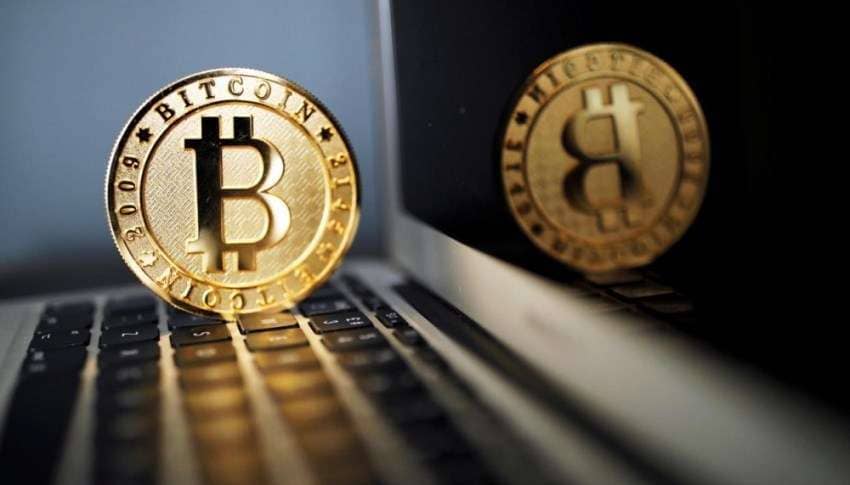
This platform, which is based on blockchain technology, gives crypto traders full control over their funds, as they can trade directly with their self-custody wallets. Decentralized exchanges started to come in 2014 and have gained attention with the growing popularity of DeFi. With the power of the Automated Market Maker system, DEXs have evolved beyond their conventional setbacks in the order book model.
#Are Decentralized Exchanges Truly Decentralized?
For example, MetaMask allows users to directly interact with Ethereum through a digital wallet. For example, stablecoin holders can lend assets like USD Coin or DAI to a liquidity pool in a borrow/lending protocol like Aave, and allow others to borrow those digital assets by depositing their own collateral. The protocol automatically adjusts interest rates based on the demand for the asset. Some DApps source external (off-chain) data, such as the price of an asset, through blockchain oracles. There are a few decentralized exchanges that allow users to trade their native BTC for cryptocurrencies on other blockchains.
Join our free newsletter for daily crypto updates!
Blockchain transactions are irreversible, which means that an incorrect or fraudulent DeFi transaction cannot be corrected easily. There are Centralized and Decentralized Cryptocurrency Exchanges, and each offers advantages and disadvantages. If you want to create your own DEX, you’ll need a lot of background knowledge involving blockchain architecture and more. You would need to know how to code, identify key features that your DEX would have, and much, much more. You’re likely better off using an existing DEX, rather than creating one from scratch. With 30 coins available, our app offers a secure way to trade crypto 24/7.